Cheese Pizza Recipes You Will Want to Make Again and Again
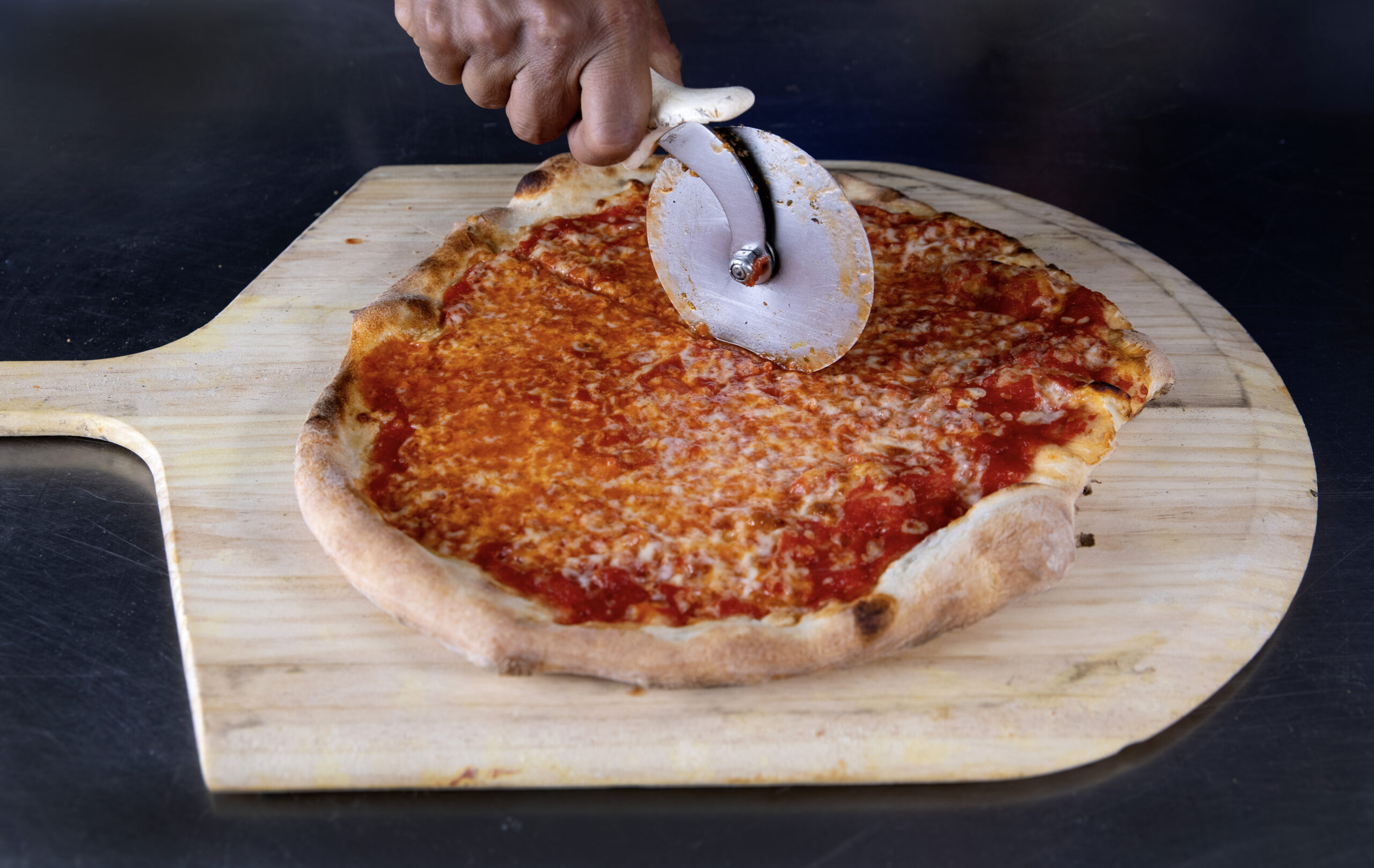
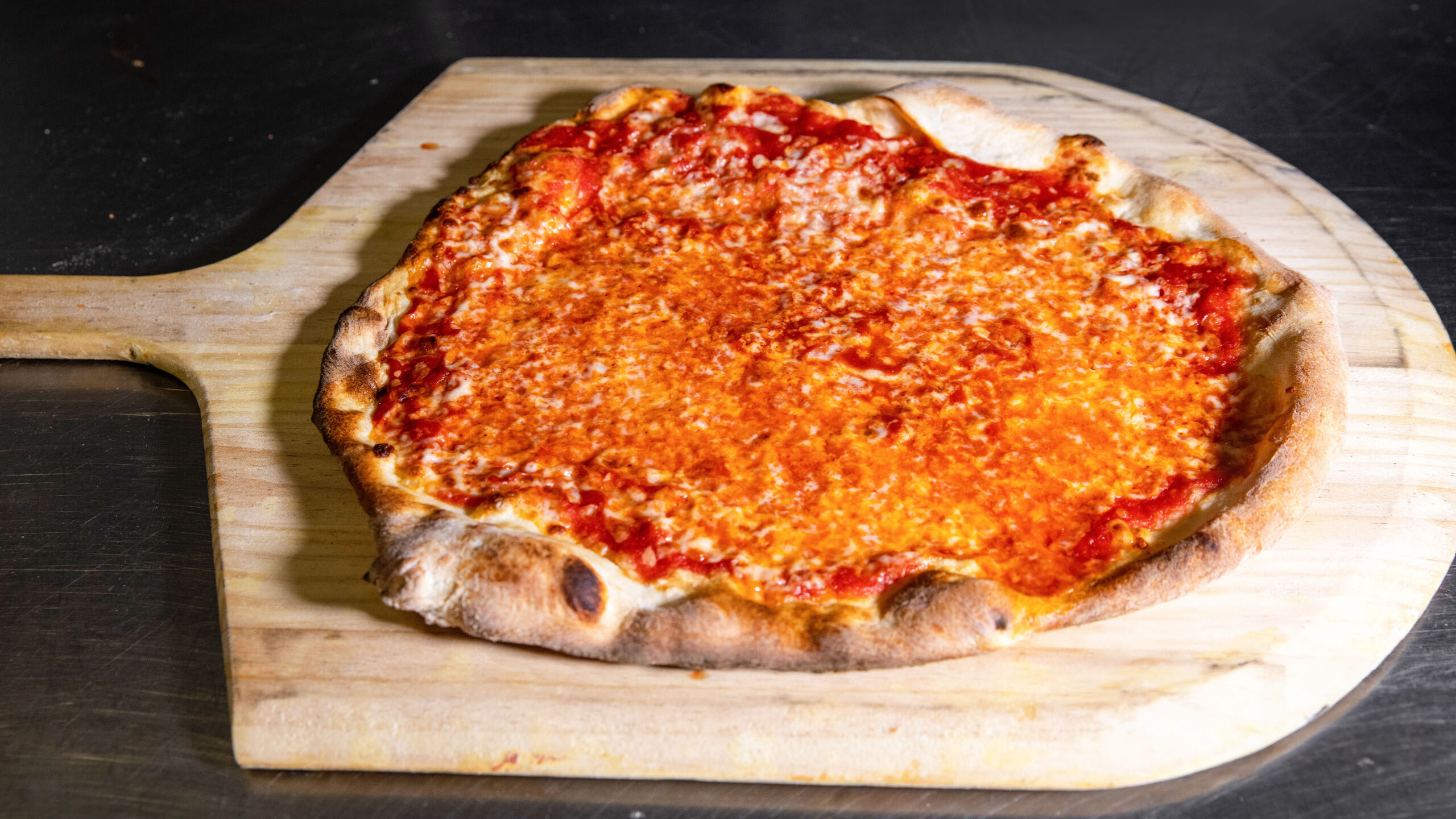

There is a reason a great cheese pizza never slips out of rotation. It looks simple, almost too simple, which is exactly why it exposes every weak spot in technique. Bad dough has nowhere to hide. Watery sauce ruins the center. Cheap cheese leaves a greasy film and a flat, salty finish. But when the basics are right, cheese pizza is one of the most satisfying things you can pull from an oven.
I have made enough pizzas, at home and in professional kitchens, to know that the best cheese pizza is rarely about excess. It is about restraint, balance, and heat. You want a crust with structure and tenderness, a sauce that tastes bright rather than heavy, and cheese that melts smoothly without flooding the pie with oil. That balance is what makes a recipe worth repeating. It also explains why the best slices are often the simplest.
This guide is built around that idea. Rather than treating cheese pizza as a blank fallback, it gives it the respect it deserves. You will find a dependable base recipe, a few variations that genuinely change the experience, and the practical judgment that helps you get repeatable results in a home kitchen.
What makes a cheese pizza memorable
A good cheese pizza is not just dough plus sauce plus cheese. It is proportion. Too much sauce and the crust steams instead of bakes. Too much cheese and the top slips off in one molten sheet. Too little salt in the dough and the whole pie tastes dull, no matter how good the mozzarella is.
The crust does most of the heavy lifting. For a classic hand-stretched pie, I look for a dough hydration in the low to mid 60 percent range. That gives enough moisture for an open, airy rim without becoming sticky and frustrating for home bakers. A long rise in the refrigerator improves flavor and browning, though a same-day dough can still make a respectable dinner.
Sauce should taste fresh and lightly seasoned. Many home cooks overcook pizza sauce, turning it into something closer to pasta sauce. Pizza bakes fast. The sauce should not already taste dark and reduced before it even hits the dough. A crushed tomato base with salt, a little olive oil, and maybe a pinch of oregano is usually enough.
Then there is the cheese. Low-moisture mozzarella is the workhorse because it melts evenly and browns well. Fresh mozzarella can be excellent, but it needs to be drained thoroughly or it will shed water into the pie. Parmesan or pecorino can bring savoriness, but only in support. If every bite tastes like salty hard cheese, the pizza loses its softness.
The base recipe I return to most often
This is the cheese pizza recipe I make when I want something reliable, adaptable, and good enough to serve to skeptical guests who think homemade pizza always disappoints. It gives you two 12-inch pizzas, which is useful because the second pie almost always turns out better than the first. By then your oven, your peel, and your timing are all in rhythm.
For the dough, simplicity wins
Use bread flour if you can. All-purpose flour works, but bread flour gives a slightly chewier crust and a little more forgiveness when stretching. Mix 500 grams flour with 325 grams Cheese Pizza water, 10 grams salt, 3 grams instant yeast, and 10 grams olive oil. Stir until shaggy, then knead until smooth, which usually takes 8 to 10 minutes by hand. The dough should feel supple and slightly tacky, not wet.
Cover it and let it rest at room temperature for about an hour, until it has started to puff. Divide it into two balls, place them in lightly oiled containers, and refrigerate them for 24 to 72 hours. That cold fermentation develops flavor you cannot fake with extra salt or sugar. If you need same-day dough, let the divided balls rise at room temperature for another 2 to 3 hours until soft and airy.
For the sauce, keep it bright
Take a 28-ounce can of good crushed tomatoes or whole peeled tomatoes crushed by hand. Add 1 teaspoon fine salt, 1 tablespoon olive oil, and a small pinch of dried oregano if you like. If the tomatoes are very acidic, a tiny pinch of sugar can help, but most good canned tomatoes do not need it. Do not simmer it. Stir it and leave it alone.
That raw-style sauce cooks on the pizza itself, preserving freshness. It also saves time, which matters on pizza night more than people admit.
For the cheese, mix function with flavor
Use about 8 ounces of shredded low-moisture whole-milk mozzarella per pizza. Whole-milk melts more luxuriously than part-skim, though part-skim browns a bit faster and can be easier to handle. Add 1 to 2 tablespoons finely grated Parmesan per pie for depth. If you want to work in some fresh mozzarella, use only a few torn pieces and blot them dry first.
The easiest way to ruin a cheese pizza is to overload it. A modest layer tastes better and bakes better than a thick blanket.
How to bake it so it actually tastes like pizza
Home ovens rarely hit the fierce temperatures of a deck oven, but they can still produce excellent results if you give them enough time and a proper baking surface. A pizza stone works. A baking steel works even better because it transfers heat more aggressively and promotes fast oven spring.
Preheat your oven at its highest setting, usually 500 to 550 degrees Fahrenheit, for at least 45 minutes. An hour is better. Place the stone or steel in the upper third of the oven if you like a faster top bake, or in the middle if your oven tends to scorch the bottom.
Stretch one dough ball gently into a 12-inch round. Do not use a rolling pin unless you genuinely do not care about the airy rim, because it presses out gas that should be helping the crust rise. Place the dough on a floured peel or a sheet of parchment if that feels safer. Spread on a thin layer of sauce, leaving a border around the edge. Add the mozzarella and a little Parmesan. Bake until the crust is deeply golden and the cheese is bubbling with browned spots, usually 6 to 9 minutes depending on your setup.
A final brush of olive oil on the crust is optional, but a small shower of grated Parmesan right after baking is one of those touches that makes a homemade pie taste more polished.
Five details that separate decent pizza from repeat-worthy pizza
- Weigh the ingredients. Pizza dough is sensitive enough that an extra handful of flour can change the outcome.
- Let cold dough warm slightly before stretching. Twenty to thirty minutes on the counter makes it more cooperative.
- Shred your own cheese when possible. Pre-shredded cheese often contains anti-caking agents that affect melting.
- Go light on sauce. For a 12-inch pizza, about 1/3 cup is usually enough.
- Cool the pizza for one minute before slicing. That brief pause helps the cheese set instead of sliding.
Those details sound minor until you skip them. Then you end up wondering why your crust tore, why the middle sagged, or why your toppings skated off the first slice.
The classic weeknight cheese pizza
The first version worth mastering is the straightforward weeknight pie. It is built for consistency rather than romance. Use the base dough, the raw tomato sauce, low-moisture mozzarella, Parmesan, and nothing else. Bake it hard and fast, then finish with a few basil leaves if you have them.
What makes this version worth repeating is how manageable it is. The ingredients are easy to stock, the dough can sit in the refrigerator until you need it, and the flavor is exactly what most people imagine when they hear “Cheese Pizza.” It has enough chew in the crust, enough acidity in the sauce, and enough richness in the cheese to feel complete without becoming heavy.
If you are feeding children, this is often the one that disappears first. Adults who say they want something more interesting also tend to come back for a second slice. That is the quiet power of a well-made plain pie.
The Sunday slow-rise cheese pizza
When I have more time, I lean into the dough. A longer fermentation, up to 72 hours in the refrigerator, changes the pizza noticeably. The crust blisters more easily, browns more evenly, and develops a faint nuttiness that a quick dough never quite reaches.
With this version, I often reduce the sauce slightly, not by cooking it, but by simply using less. The crust carries more flavor, so it needs less support. I also like a blend of cheeses here: mostly low-moisture mozzarella, a little provolone for stretch and tang, and a restrained amount of Parmesan. The result tastes fuller without veering into deli-shop heaviness.
This is the pizza I make when friends come over and everyone stands in the kitchen pretending not to hover near the oven. It feels a little more serious, though it is built from the same ingredients. Time has simply done its work.
The cast-iron cheese pizza for a crisp, almost fried edge
Not every cheese pizza needs to chase the pizzeria ideal. One of the best home methods uses cast iron, which creates a crust that is deeply crisp on the bottom and almost buttery around the sides. It is a different style, and a very good one.
Use a slightly more generous amount of olive oil in the pan, around 1 to 2 tablespoons. Press the dough into the skillet after it has rested long enough to relax. Let it puff for another 20 to 30 minutes, then sauce and cheese it as usual. Bake at high heat until the bottom is crisp and the edges turn a dark golden brown. If the top needs more color, run it briefly under the broiler, watching closely.
The texture is the appeal here. The edge fries lightly where the dough meets the oil and pan, giving you a crust that crackles Cheese Pizza when you bite it. This version is especially forgiving if you are nervous about launching pizzas from a peel.
The thin-crust cheese pizza when you want crunch
There are nights when a soft, airy rim is not the goal. You want a thinner, crisper pizza that shatters a little at the edge and can be eaten standing up with one hand. For that, use the same dough but divide it into smaller balls or stretch it a bit wider. The trick is restraint with toppings.
A thin-crust cheese pizza benefits from a slightly drier hand. Less sauce, less cheese, and a longer bake at the same high heat allow moisture to evaporate before the center turns floppy. If your oven browns the bottom faster than the top, give the crust a minute on the steel or stone, then switch the oven to broil for the final minute to blister the cheese.
This style works particularly well for people who say they love “extra crispy” pizza but usually end up with something dry and hard. Real crispness comes from balance, not from baking the pie into submission.
Choosing cheese with some judgment
Cheese selection deserves more attention than it usually gets. People tend to think in terms of “more” or “less,” when the smarter question is “what job is this cheese doing?” Mozzarella is there for melt and body. Parmesan is there for savory punch. Provolone brings a little edge. Fontina melts beautifully but can become rich quickly. Fresh mozzarella brings luxury, but too much water.
For most home bakers, the safest and best choice is still whole-milk low-moisture mozzarella. It melts consistently, stretches in a satisfying way, and tastes like the cheese pizza many of us grew up craving. If you want better flavor, upgrade the brand before you complicate the blend.
A practical note that matters more than it sounds: grate the cheese cold, then let it sit at room temperature while the oven finishes preheating. Ice-cold cheese can bake unevenly, especially in a home oven where every minute counts.
Sauce is where many homemade pizzas go wrong
People often over-season pizza sauce because they taste it cold and think it seems underwhelming. Then it bakes and concentrates, and suddenly the pie tastes salty, sweet, and oddly heavy. Remember that pizza sauce is not supposed to dominate. It should support the crust and cheese.
If you use whole canned tomatoes, crush them by hand or pulse them very briefly. A blender can make the texture too smooth and airy, which is not ideal for spreading. If the tomatoes are watery, let them drain for a few minutes in a sieve. That one move can spare you a soggy center.
Garlic is another common trap. Raw garlic in sauce can stay sharp and harsh during a short bake. If you love garlic, grate a little into olive oil and brush it onto the crust edge after baking instead. You get the aroma without the aggression.
Troubleshooting the problems that frustrate home bakers
- If the center is soggy, reduce the sauce, dry the cheese more thoroughly, or bake on a better-preheated surface.
- If the dough snaps back while stretching, it needs more rest. Gluten relaxes with time, not force.
- If the bottom burns before the top browns, move the stone or steel higher in the oven.
- If the pizza sticks to the peel, use less topping and shake the peel before launching to confirm it moves freely.
- If the crust tastes pale, the dough may need more fermentation time or a hotter, longer preheat.
Most pizza problems are mechanical, not mysterious. Once you learn to identify them, fixing them becomes much less dramatic.
Small finishing touches that earn their keep
There is a tendency to treat plain cheese pizza as something that should emerge from the oven and go straight to the table untouched. Sometimes that is exactly right. Sometimes it benefits from one small finishing move.
A few basil leaves added after baking give brightness. A light dusting of finely grated Parmesan sharpens the flavor. A thin drizzle of good olive oil adds roundness, especially if the sauce is very lean and tomato-forward. Crushed red pepper can wake the whole thing up, though I prefer to keep heat at the table so it remains optional.
What I avoid is piling on garnish for visual effect. Cheese pizza should still read as cheese pizza. If the top is covered in herbs, chili flakes, and extra cheese, the simplicity that made it appealing in the first place starts to disappear.
Why this kind of recipe stays in rotation
The best repeat recipes are not always the most dramatic ones. They are the ones that fit real life. Cheese Pizza earns that place because it can be made casually or carefully, quickly or over several days, and still deliver honest pleasure. It works for family dinners, last-minute guests, weekend projects, and those evenings when cooking needs to feel grounding rather than ambitious.
It also teaches useful kitchen instincts. You learn how dough should feel when it is ready. You learn the difference between enough cheese and too much. You learn what your oven can do well, and where it needs help. Those lessons carry over into every other pizza you make.
A truly good cheese pizza tastes confident. Not overloaded, not fussy, not trying to prove anything. Just balanced, hot, crisp where it should be crisp, tender where it should be tender, and generous in the way only melted cheese and bread can be. Once you get that version onto your table, you stop thinking of plain pizza as the backup option. It becomes the one you crave on purpose.
And that is usually the clearest sign that a recipe is worth making again.
Brooklyn Pizza
1647 Arapahoe Ave
Boulder, CO 80302
+1 720-328-2324
FAQ About Cheese Pizza
What type of cheese is used on a cheese pizza in Boulder, CO?
The cheese varies by pizzeria. Brooklyn Pizza uses whole-milk mozzarella made in-house on its standard pies and offers a plant-based cheese option for vegan pizza. Ask the shop directly about ingredients if you have a dietary restriction.
How many slices are in a large pizza in Boulder, CO?
Slice count depends on how the shop cuts the pie. Brooklyn Pizza lists a 16-inch large pizza. If you are ordering for a group, call to confirm the number of slices or ask whether a smaller cut is available.
What is New York style pizza in Boulder, CO?
New York-style pizza usually has a thin crust and wide slices that can be folded. A classic cheese slice pairs tomato sauce with mozzarella. Brooklyn Pizza serves New York-style pizza by the slice and as whole pies.